






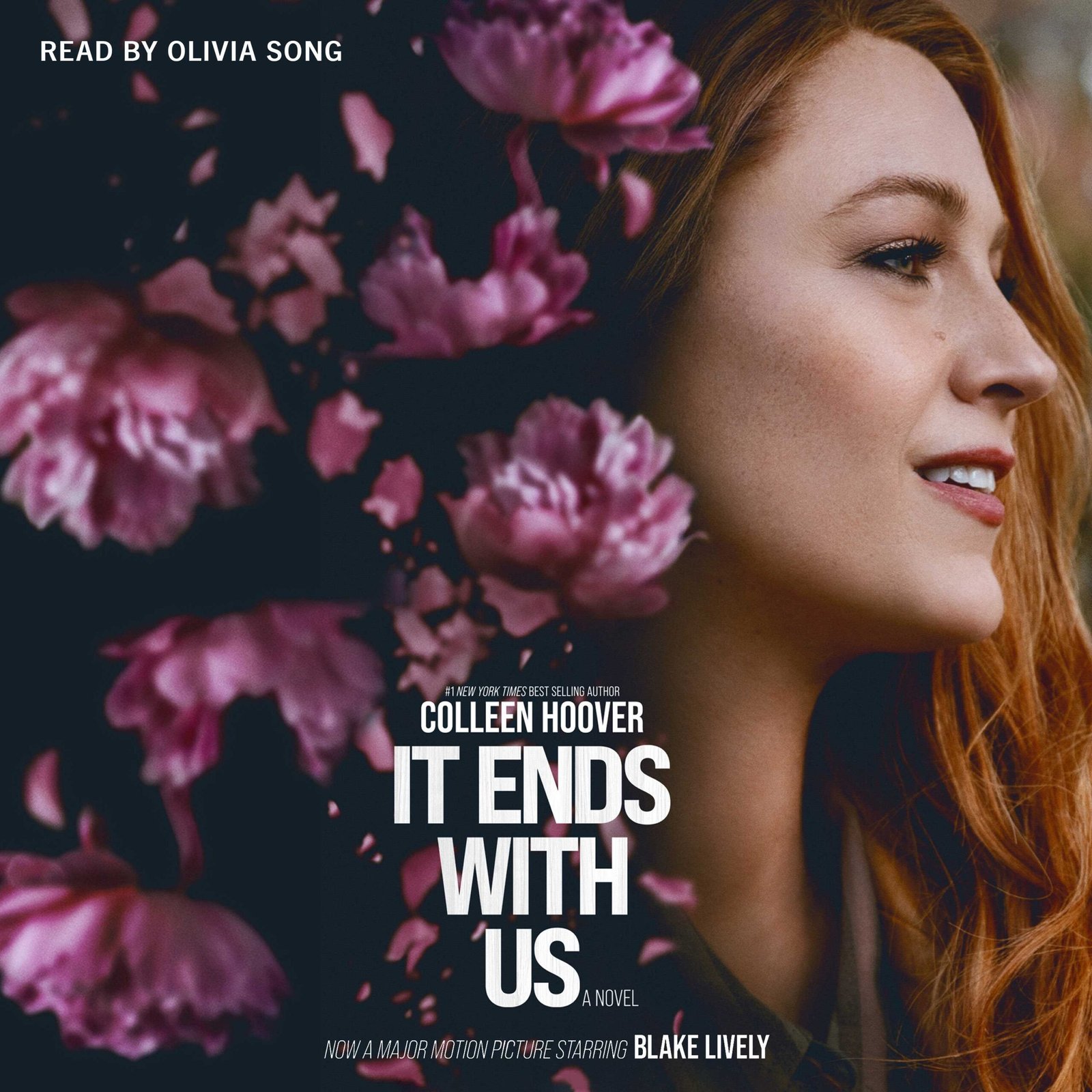
Adapted from Colleen Hoover’s bestselling novel, It Ends With Us hits the screen as a raw and emotionally charged drama that doesn’t just tell a love story but also, that unpacks the generational scars behind it.
Directed by Justin Baldoni, who also stars as Ryle Kincaid, the film follows Lily Bloom played by Blake Lively, a strong-willed florist navigating love, ambition, and painful memories of her mother’s abusive past. When she meets Ryle, a charismatic neurosurgeon, Lily is swept into a romance that starts as a dream but slowly turns into something darker and eerily familiar.
At its surface, it presents as a love triangle, with Atlas Corrigan played by Brandon Sklenar, Lily’s childhood love, re-entering her life just as her relationship with Ryle begins to crack. But beneath the surface, the film is a gut-punching look at the cycle of abuse, emotional conflict, and the strength it takes to break free especially from someone you love.
Blake Lively delivers a career-defining performance as Lily, embodying both the softness of young love and the steeliness of a woman choosing herself. Her portrayal is nuanced and vulnerable, especially during the emotionally intense scenes that force audiences to question what love should cost.
Justin Baldoni brings complexity to Ryle, a man both loving and deeply flawed. He doesn’t play the character as a villain, which is what makes his performance so unsettling and effective.
The movie invites viewers, especially women to reflect on how trauma informs their choices and how hard it can be to leave even when love is present. For many African women, particularly in societies where silence around domestic abuse is still common, the story offers both representation and emotional validation.