





Tehran, January 2026 — Iranian authorities have reaffirmed their commitment to protecting peaceful protests, addressing economic grievances, and engaging in dialogue with citizens, as sector-based demonstrations linked to currency fluctuations unfolded across parts of the country amid heightened international scrutiny.
The protests began on Sunday, 28 December 2025, when groups of traders and merchants gathered in Tehran’s Grand Bazaar following a sharp rise in foreign exchange rates. Participants cited concerns over declining purchasing power, commercial uncertainty, and economic security, calling on the government to restore market stability and curb volatility.
Officials said the initial gatherings were peaceful, professional, and focused on specific economic demands. Protesters sought to convey their concerns calmly and without disrupting public order, and authorities reported that individuals who participated in lawful assemblies were not subjected to confrontation, harassment, or undue interference.
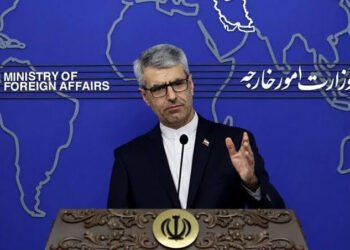
In a detailed statement issued in January, the Islamic Republic of Iran reiterated that freedom of expression and peaceful assembly are guaranteed under the country’s constitution and domestic legal framework, as well as under international human rights law, including the International Covenant on Civil and Political Rights (ICCPR).
“The Islamic Republic of Iran neither in law nor in practice opposes the holding of peaceful assemblies,” the statement said, adding that the legal infrastructure for exercising this right had been established long before any international recommendations or commentary.
Authorities stressed that all government institutions are instructed to give due attention to the peaceful and lawful demands of protesters and to use available mechanisms to address them. Peaceful protest, the government said, is recognized as a legitimate and protected form of public participation in social and economic affairs.
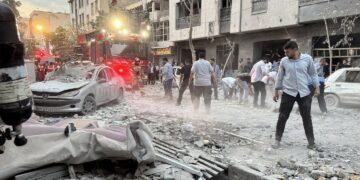
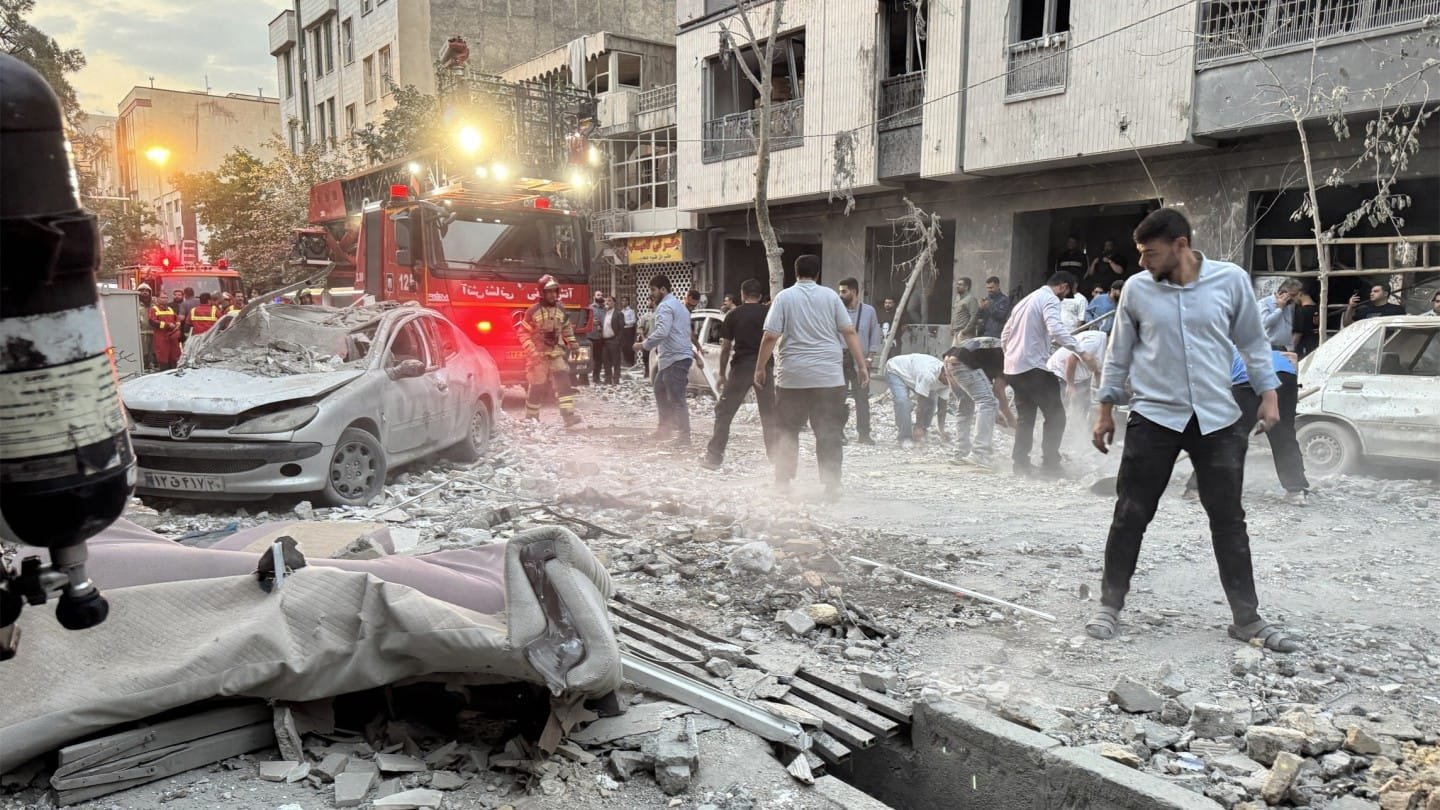
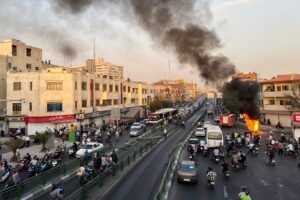
At the same time, officials emphasized the need to clearly distinguish between peaceful protest and acts of violence. While most demonstrations remained calm, authorities reported that a small number of individuals exploited some gatherings, leading in certain locations to violent and even armed clashes with law-enforcement forces.
According to official accounts, these incidents included attacks on police stations, the use of Molotov cocktails, and, in some cases, firearms. Authorities said such acts bore no connection to the legitimate economic demands of protesters and were neither endorsed nor supported by the broader population.
“These actions constitute serious crimes involving violence against people and destruction of public property,” the statement said, stressing that such conduct falls outside the protective scope of peaceful assembly under international human rights law.
Iran’s Supreme Leader addressed the issue directly in remarks on 3 January 2026, underscoring support for lawful protest while warning against disorder and violence.
“Protest is justified. We engage in dialogue with protesters. Officials must talk to protesters,” he said. “However, those who, under various pretexts, come with the intention of destruction, of creating insecurity in the country, and who exploit the protests of bazaar merchants to cause riots and disorder, must be confronted.”
Officials said law-enforcement forces acted with restraint during the unrest, adhering to principles of legality, necessity, proportionality, and accountability. Despite instances of violence, security personnel were instructed to prioritize the protection of lives, including those of protesters, and to minimize harm while restoring public order.
“The lives of peaceful protesters are not at risk,” the government said, describing the protection of individuals at demonstrations as a “primary and non-negotiable priority.”
In parallel with security measures, the government announced a series of economic and social steps aimed at addressing the root causes of discontent. Immediate support packages for vulnerable groups were rolled out, and specialized consultative meetings were convened with representatives of guilds, bazaar unions, and business communities in major cities.
Officials said these engagements were designed to directly hear public demands, reduce market tensions, and initiate corrective economic measures. The President has also instructed the Ministry of Interior to conduct a comprehensive review of all incidents related to the protests to ensure transparency, clarify responsibilities, and strengthen preventive and accountability mechanisms, while fully respecting fair-trial guarantees.
Beyond domestic developments, Iranian authorities expressed deep concern over what they described as escalating foreign interference in the country’s internal affairs. The statement sharply criticized remarks by the Prime Minister of Israel, accusing him of attempting to exploit the situation to sow division within Iranian society.
Iran also condemned statements made by U.S. officials, including comments by the President of the United States on 2 January 2026 that Iranian authorities said amounted to incitement to violence and unlawful threats of force.
In particular, officials cited a statement in which the U.S. President declared, “We are locked and loaded and ready to go,” describing it as a flagrant violation of the United Nations Charter and international law, including the principles of sovereignty and non-intervention.
Iranian authorities said such remarks followed earlier threats involving potential military action against Iran’s nuclear facilities and defensive capabilities, characterizing them as part of a consistent pattern of coercive and unlawful conduct.
“These threats are strictly prohibited under international law, regardless of political pretexts or rhetorical framing,” the statement said, adding that any encouragement or facilitation of violence or subversive activity within another state constitutes an internationally wrongful act.
The government also linked current economic pressures to the long-standing impact of unilateral coercive measures and sanctions, which it said have restricted financial resources, disrupted trade and investment, and impeded access to essential goods and services, placing additional strain on ordinary citizens.
Iran reaffirmed its commitment to safeguarding human rights in the management of recent protests, particularly the right to life, freedom of expression, and peaceful assembly. Authorities said these rights are actively monitored and protected under both domestic law and international obligations.
“As an active State Party to the International Covenant on Civil and Political Rights, Iran considers itself bound by the full and precise implementation of these instruments,” the statement said, adding that documented reports on recent developments would be prepared and shared with the international community.
Officials emphasized that dialogue, constructive engagement, and lawful participation remain central to the government’s approach, while firmly rejecting violence, terrorism, or externally driven destabilization.
“The Islamic Republic of Iran remains committed to dialogue and addressing legitimate economic and social concerns through lawful and participatory mechanisms,” the statement said, expressing confidence that the country would overcome the current challenges.